

 Polski
 English




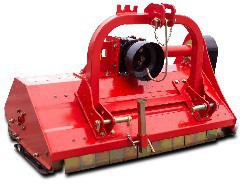




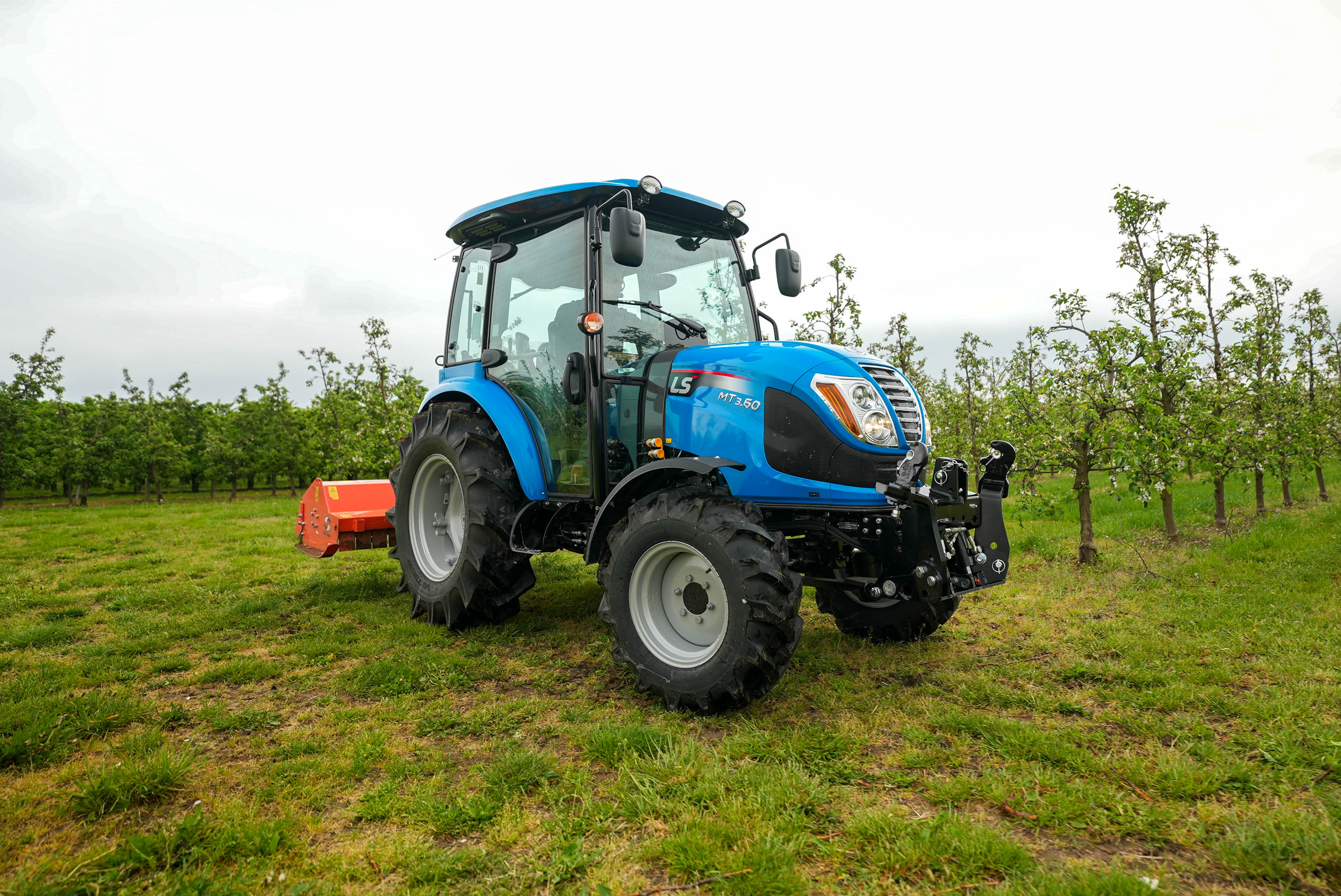
Choosing the right working parts has a huge impact on the effectiveness of a flail mower. The type of flails or blades determines the quality of mowing, the degree of vegetation fragmentation, the work efficiency, and the durability of the entire machine. Many users wonder whether hammer flails or Y-blades are a better solution. The answer depends primarily on the type of work being performed and the conditions in which the mower operates.
In this guide, we explain the differences between these two solutions and how to choose the right working parts for your needs.
What is the difference between hammer flails and Y-type blades?
Although both hammer flails and Y-type blades are mounted on the working shaft of a flail mower, their construction and purpose are completely different.
Hammer flails have a compact, robust design and are made of high-quality hardened steel. Due to their greater mass, they generate a high impact force during rotation, allowing them to effectively chop up dense and woody vegetation.
Y-type blades are significantly lighter and have a slimmer design. Their primary purpose is to precisely cut soft vegetation, so they are best suited for regular lawn care.
When to choose hammer flails?
If the mower operates in demanding conditions, hammer flails are a much better choice.
They are perfect for:
- mowing wasteland,
- removing tall weeds,
- trimming shrubs,
- shredding thick stems,
- maintaining roadsides and ditches,
- mowing neglected areas,
- shredding thin branches and cutting debris.
The greater mass of the beaters allows for effective crushing of material that would be too demanding for Y-type knives. For this reason, they are most often used by farmers, municipal companies, and companies involved in maintaining green areas.
Advantages of hammer flail mowers
- high efficiency in shredding vegetation,
- very good wear resistance,
- ability to work in difficult terrain,
- high durability with intensive use,
- effective shredding of thicker stems and small branches.
When are Y-type blades better suited?
Y-type blades are designed for regular mowing of areas dominated by soft vegetation.
They are most often used for:
- mowing lawns,
- orchard care,
- meadow maintenance,
- mowing parks and recreational areas,
- maintenance of green areas around farms.
Thanks to their design, they ensure a cleaner cut of the grass and leave a more aesthetically pleasing mowing result. However, they are not intended for intensive shredding of thick weeds, bushes, or branches.
Advantages of Y-type blades
- precise cutting of soft vegetation,
- aesthetic mowing effect,
- good results during regular maintenance of green areas,
- less strain on the working system when mowing light vegetation.
How to choose the right working parts?
When choosing new flails or blades, don't just rely on appearance. The most important thing is to match the components to the specific mower model and the manufacturer's recommendations.
Before purchasing, it's worth checking:
- length of the working element,
- diameter of the mounting hole,
- mounting width,
- weight of a single element,
- mounting method,
- compatibility with the mower model.
Even small differences in dimensions or weight can affect the balance of the working shaft and reduce comfort and safety.
Can hammer flails and Y-type blades be mixed?
No. Do not mount hammer beaters and Y-blades on the same working shaft.
Both types of working elements differ in weight, geometry, and operation. Combining them on a single shaft leads to rotor imbalance, excessive vibration, and increased load on the drive system.
This may result in accelerated wear of the bearings, damage to the working shaft, mountings, and even the mower's gearbox.
If it is necessary to change the type of working elements, replace the entire set.strong> in accordance with the design provided by the machine manufacturer. All installed components should have the same weight, dimensions, and be designed for the same type of mower.
When should the flails or blades be replaced?
Working components are subject to natural wear and tear during use. The following may indicate the need for replacement:
- visibly dull working edges,
- cracks or deformations,
- excessive wear of mounting holes,
- deteriorated mowing quality,
- increased vibrations during operation.
It is not worth delaying the replacement of worn components. Working with damaged flails or blades reduces mowing efficiency and increases the load on other machine components.
How to care for the working parts of a flail mower?
Regularly checking the condition of the flails or blades helps avoid costly breakdowns and extends the life of the entire machine.
It's worth remembering a few basic rules:
- Check the tightness of the screws and the condition of the pins,
- Check the wear of the mounting bushings,
- Remove damaged parts immediately upon detection,
- Replace worn parts in sets or pairs according to the manufacturer's recommendations,
- After each replacement, check the condition of the working shaft and mountings.
Regular servicing helps maintain proper rotor balance and ensures safe and efficient operation of the mower.
Summary
There is no single type of working parts that will work for all applications.
If the mower is used for mowing wasteland, bushes, roadsides, or shredding dense vegetation, the best choice will be hammer flails, which ensure high work efficiency and high resistance to intensive use.
If the machine is mainly used for regular maintenance of lawns, orchards, parks, or meadows, Y-type blades will be a better choice, guaranteeing more precise cutting of soft vegetation.
Regardless of the solution chosen, the most important thing is to use working parts in accordance with the mower manufacturer's recommendations and regularly check their technical condition. Properly selected and properly used beaters or knives translate into efficient operation, longer machine life and lower operating costs.