

 Polski
 English





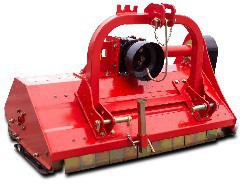




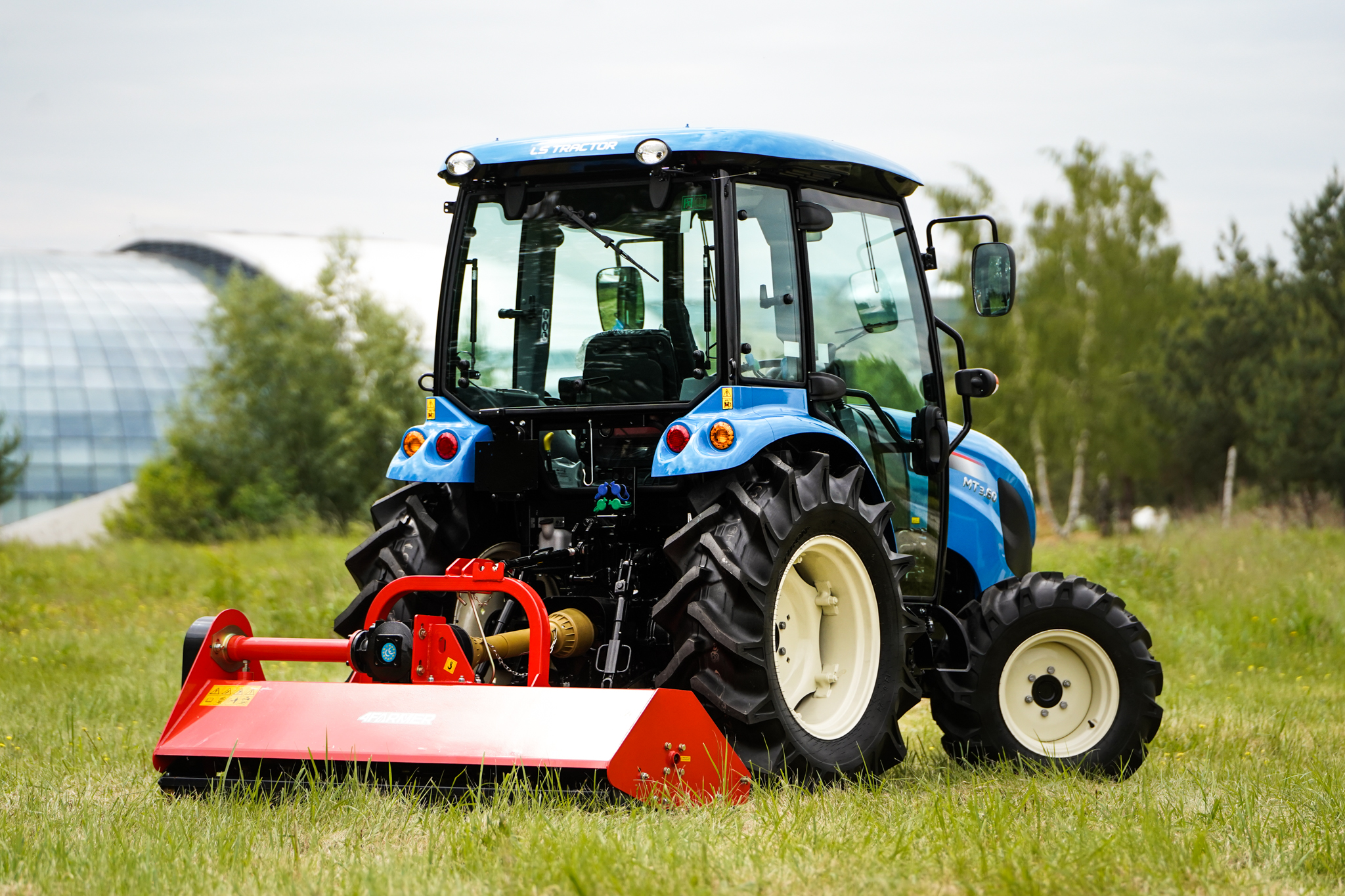
A flail mower is often considered a "do-it-all" machine. In practice, it's one of the most versatile machines for maintaining green spaces, but only when used as intended. Problems arise when the user expects results it simply wasn't designed for.
Below, you'll find the most common situations in which a flail mower fails – along with a clear breakdown of the errors that most often occur.
1. Ornamental Lawn Care
A flail mower is not a good choice if your goal is to achieve an even, aesthetically pleasing lawn. Its operating principle involves shredding vegetation with the impact of the flails, rather than cutting it precisely.
As a result, the grass isn't perfectly trimmed, and the surface can look uneven and "raw." This is a natural result of this machine's operation, not a defect.
Most common mistake: Using a flail mower as a replacement for a garden mower and expecting a "carpet" effect.
2. Very low mowing
This type of machine is not suitable for working at a very low height. Attempts to mow at a height of a few centimeters (2 - 4 cm) usually result in poor quality work and a greater risk of damage.
If set too low, the flails may contact the ground, leading to faster wear and the picking up of soil, stones, and other debris.
Most common mistake: Lowering the cutting height too aggressively to "clean" the area.
3. Areas with Rocks and Obstacles
Although flail mowers are durable, they are not immune to everything. Working on unprepared terrain, full of rocks or metal elements, can quickly lead to serious damage.
Hitting a hard obstacle puts a strain on the entire working system – from the flails, through the shaft, to the drive. Additionally, there is a real risk of dangerous objects being thrown from under the machine.
Most common mistake: failure to inspect and clear the area first.
4. Clearing and Thick Undergrowth
A flail mower can handle weeds, tall grass, and small shrubs well, but it has its limits. It is not intended for shredding thick tree trunks or intensive work in young forests.
In such conditions, overloading and excessive wear of working parts quickly occur.
The most common mistake: treating a flail mower as a clearing machine instead of using a forestry mulcher or milling machine.
5. Mismatch with the tractor
The efficiency of a flail mower depends largely on its proper fit to the tractor. A drive unit that is too weak will not maintain the appropriate speed, while one that is too strong can generate unnecessary overloads.
Compatibility with the PTO shaft and suspension system is equally important.
The most common mistake: ignoring technical parameters and selecting "by eye."
6. Working too fast
A flail mower requires a relaxed driving pace. Only then will the plant material be properly chopped and the work proceed evenly.
Too high a speed results in unmown areas, a poorer end result, and increased machine load.
Most common mistake: trying to speed up the work at the expense of the quality and durability of the equipment.
7. Lack of maintenance
This is one of the most common causes of problems with flail mowers. The machine operates in difficult conditions and requires regular inspection.
Worn beaters, an unbalanced shaft, or neglected bearings lead to vibrations and decreased performance, and over time, to more serious failures.
Most common mistake: lack of regular servicing and only reacting when a fault occurs.
8. Mowing Wet Grass
Wet grass and weeds significantly worsen working conditions. Material sticks to the working parts, clogs the chamber, and increases resistance.
The result is lower efficiency, higher fuel consumption, and faster component wear.
Most common mistake: working immediately after rain or in high humidity.
Summary
A flail mower is an extremely effective tool, but only when used as intended. Most problems result not from equipment failures, but from improper use and miscalculation of expectations.
Being aware of this machine's limitations allows you not only to avoid costly repairs but, above all, to achieve better work results and extend the life of your equipment.