

 Polski
 English








Every farm has machines that attract attention – tractors, sprayers, balers, and tillage equipment. Budgets, investment plans, and development strategies are built around them. Meanwhile, the flail mower often takes a back seat. Treated as an auxiliary tool, used "as needed," it is rarely perceived as a strategic element. Yet, in many cases, it determines long-term land maintenance costs and work efficiency.
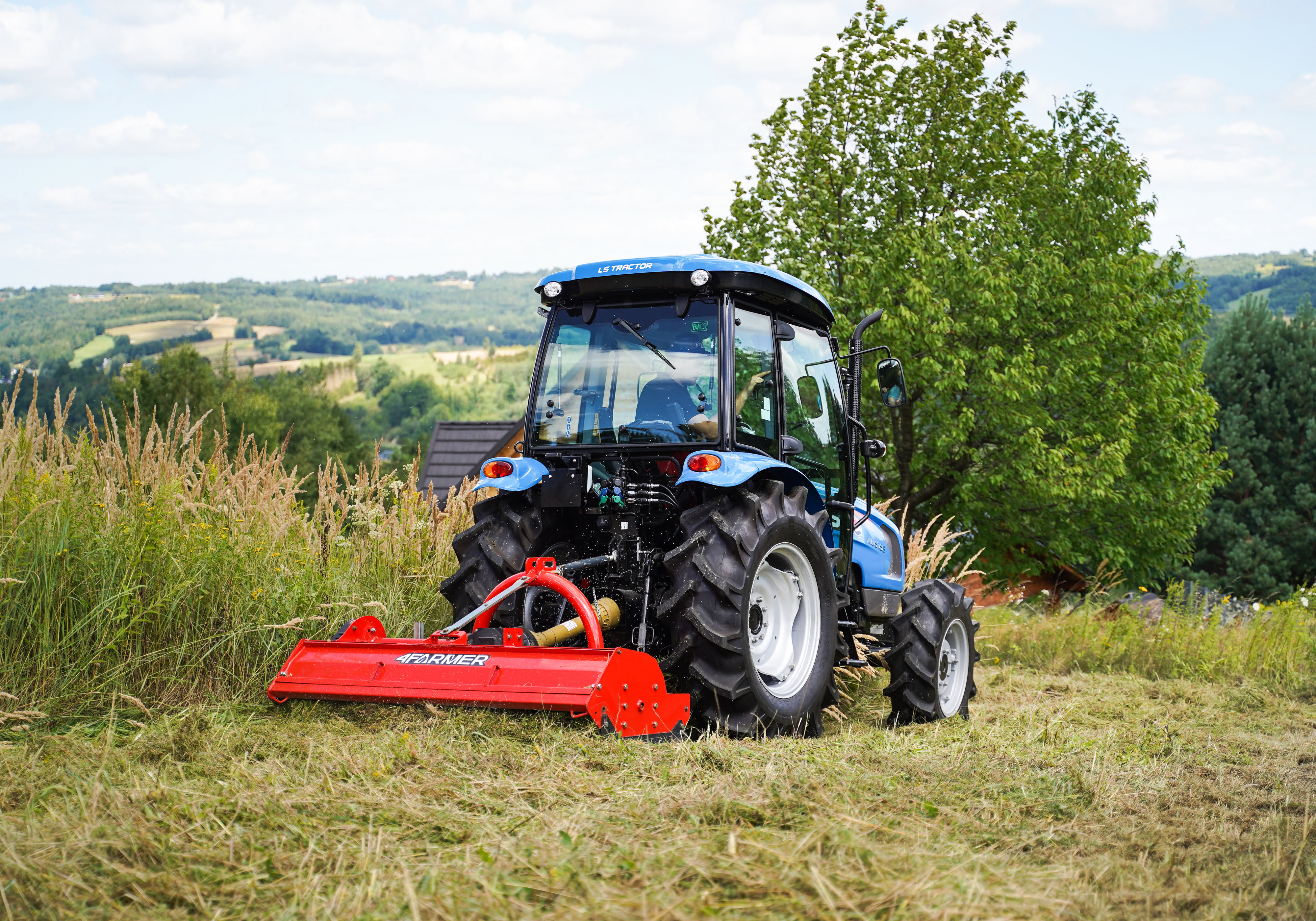
The flail mower serves a role on the farm that isn't immediately apparent in cost tables. Its role begins where the intensive field work season ends. Mowing wasteland, roadsides, inter-row areas, or areas around buildings is not just a matter of aesthetics. It is a preventative measure. Regular use of a flail mower reduces overgrowth, reduces the risk of perennial weeds expanding, and prevents the formation of difficult-to-control thickets. In practice, this means less work and lower expenses in subsequent seasons.
Many users view the use of flail mowers solely through the prism of current costs: wear and tear of flails, fuel, and bearings. However, the real impact of this machine is only visible in the long term. A well-selected and properly used flail mower improves the terrain structure, facilitates subsequent tillage, and reduces the load on other machines. It is a tool that stabilizes the working environment, although it is rarely the center of attention itself.
The underestimation of flail mowers also stems from their apparent simplicity. The design seems uncomplicated, and the operating principle is intuitive. However, the quality of this machine's operation depends on many factors: the weight and balance of the flails, the characteristics of the shaft, and the compatibility with the tractor's power and terrain conditions. The differences between a well-configured machine and a randomly selected set of parts are noticeable not only in terms of operating comfort, but also in the operating costs of the flail mower.
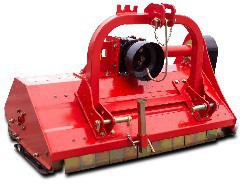
Here, it's worth noting the importance of the quality of the design itself. Modern flail mower models, such as those offered by the 4FARMER brand, demonstrate how much the approach to this category of machinery has changed. Reinforced housings, properly balanced working shafts, and durable components translate into operational stability and reduced wear and tear. This demonstrates that a flail mower can be designed not only as a simple mowing tool, but as a machine with a long service life and predictable operating costs.
In practice, a flail mower can be the first line of defense for a farm's infrastructure. Properly maintained roadsides, ditches, and adjacent areas reduce the risk of damage to fences, utilities, and access roads. They also reduce the risk of overgrown vegetation during periods of drought. These effects are rarely attributed directly to this machine, although in reality, they are the result of its regular operation.
It's also worth considering flail mowers in the context of investment planning. Farms are increasingly analyzing not only the machine's efficiency, but also its impact on the overall work organization. In this perspective, a mower ceases to be a seasonal expense and becomes a component of a land maintenance strategy. Proper quality parts for flail mowers, regular inspection of the condition of the flails, and a conscious approach to operation translate into long-term operational stability.
Perhaps this is why flail mowers remain underappreciated – their effects are dispersed over time and difficult to clearly attribute to a single decision. They do not generate spectacular results immediately visible after purchase. Instead, it works systematically, limiting future problems and stabilizing the farm's operating conditions.
This is precisely where its real value lies. Not in its showmanship or power, but in its consistency. A flail mower isn't just a mowing tool. It's a machine that quietly and consistently impacts costs, safety, and work organization. And combined with a well-thought-out design – as is the case with modern 4FARMER models – it becomes an element that truly supports the long-term development of a farm.